How to Clean a Vinyl Record Safely
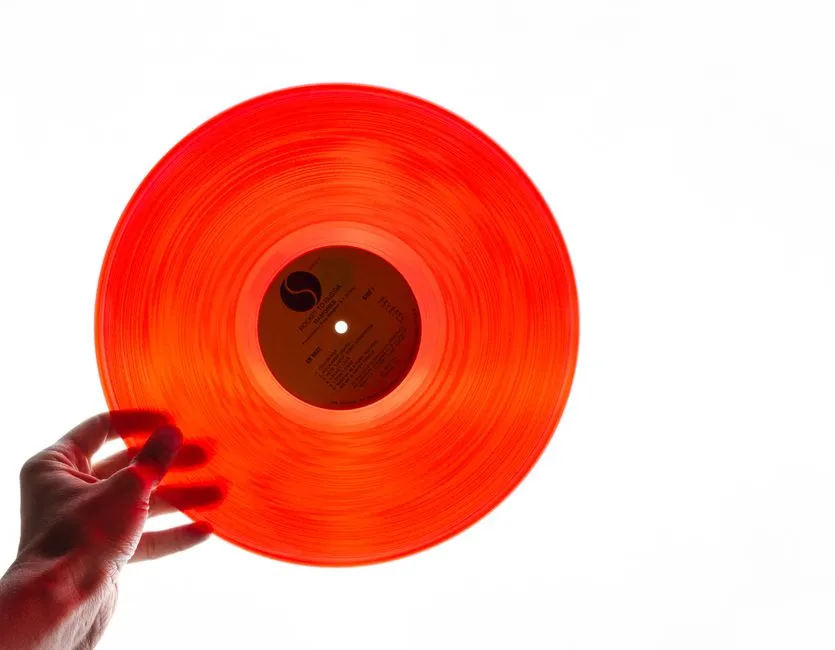
Identify the record before adding liquid
Clean a vinyl record safely by confirming that it is actually vinyl, removing loose dust gently, using a compatible record-cleaning method, protecting the label, and allowing complete drying before playback or sleeving. Do not apply a universal homemade fluid to an unknown grooved disc. Shellac, lacquer, acetate, picture discs, damaged coatings, and unusual materials can react differently.
If the surface is cracked, flaking, sticky, moldy, or historically important, pause. This is conservation territory, not the moment for kitchen chemistry wearing a tiny lab coat.
Handle the disc without feeding the grooves
Wash and thoroughly dry your hands. Hold the record by its edge and label areas, not across the playing surface. The Library of Congress gives the same handling advice for grooved discs and recommends keeping media and playback equipment clean.
Work on a clean, stable surface with a fresh support beneath the record. Inspect under angled light before cleaning. Photograph unusual deposits so you can tell whether the process removed contamination or merely moved it into a more artistic arrangement.
Remove loose dust first
Use a clean tool designed for records and follow its directions. Let the tool collect particles rather than grinding them into the groove. Keep brushes themselves clean; a dusty brush is just a very organized dust delivery service.
Avoid household paper products, abrasive cloths, hard scrubbing, fingernails, and random compressed-air techniques. The Library of Congress mentions canned air for loose dust on grooved discs, but any air product must be used exactly as directed, away from labels and with no liquid propellant reaching the surface.
Wet-clean only with a compatible process
When dry dusting is insufficient, use a method and fluid specified for the known record material and your cleaning device. Follow the product's dilution, application, dwell, agitation, rinse, extraction, and disposal instructions. Protect the label and avoid flooding the center hole.
The Canadian Conservation Institute warns that frequent or improper cleaning may cause more problems than leaving media alone. More fluid, pressure, and enthusiasm do not automatically produce more clean.
Use separate clean applicators for washing and rinsing if the process calls for both. Replace contaminated fluid rather than repeatedly bathing records in yesterday's groove soup.
Dry, inspect, and rehouse
Allow the record to dry completely in a protected, dust-free position according to the cleaning-system instructions. Do not use uncontrolled heat. Inspect for residue, streaking, trapped particles, or label damage before playback.
Put a clean record into a clean compatible inner sleeve; our sleeve guide explains the separate jobs of inner and outer protection. Return it to supported upright storage away from heat and direct sun.
Finally, clean the stylus only by the cartridge maker's method. If noise remains, grade the record's actual condition rather than repeating aggressive washes. Cleaning removes suitable contamination; it cannot regrow worn groove walls, however politely you ask.