How to Compare Vinyl Pressings Fairly
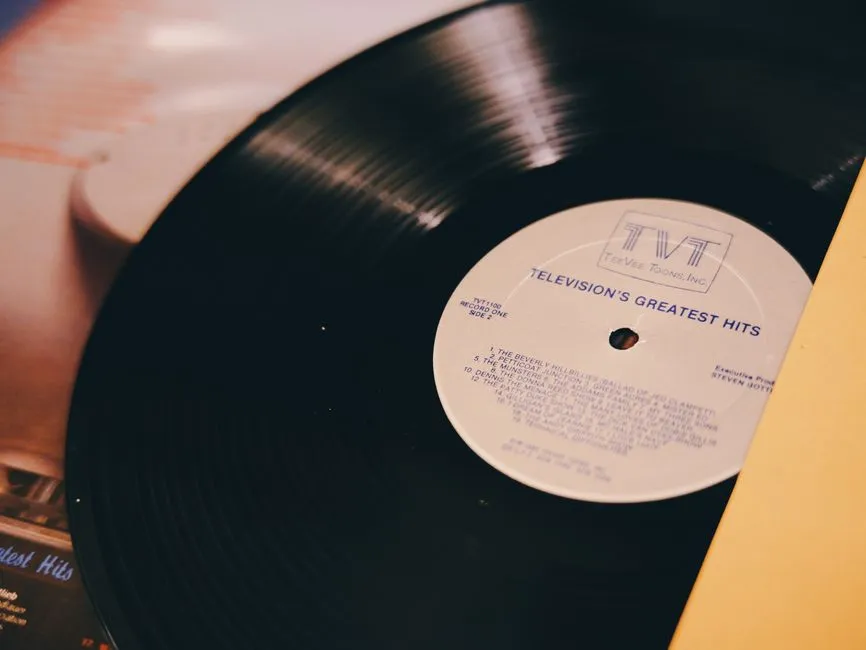
Identify the records before judging them
Compare vinyl pressings fairly by confirming the exact editions, cleaning and inspecting both copies, using the same properly configured playback system, matching volume closely, and changing one variable at a time. Write observations before checking prices or collector opinions.
Without that discipline, a “pressing shootout” is often one clean record, one dusty record, two different mixes, and a very confident paragraph.
Build an edition sheet
For each copy, record the catalogue number, country, label details, complete runouts, release date, mix, mastering credits, and physical condition. Use pressing-identification steps and transcribe the matrix markings instead of relying on the jacket alone.
Note uncertainties. If one source or mastering chain is undocumented, call it unknown. Do not reverse-engineer a dramatic production story from a slightly brighter cymbal.
Control record and equipment condition
Clean each record with a suitable method, then grade groove wear, scratches, warp, and pressing defects. Use the same turntable, cartridge, stylus, phono stage, amplifier, speakers, room, and listening position. Confirm tracking force and alignment by the equipment instructions.
Warm equipment only if its manufacturer recommends it. Keep tone controls, filters, loudness features, and digital processing in the same state. If you change anything, record the change and restart the comparison.
Match levels before listening deeply
A louder version may initially seem fuller or more detailed. Match levels as closely as your safe equipment and method allow. Do not exceed comfortable playback volume, and never connect measurement tools in a way the system does not support.
Use the same musical passage and adjust only the normal playback control. If different cuts have different average and peak behavior, make several careful comparisons rather than chasing one perfect number.
Compare in short and long passes
First alternate short passages that expose specific features: voice, bass line, dense chorus, quiet introduction, fade, or sustained note. Then play a complete side from each version. Short switching reveals contrasts; full sides reveal fatigue, flow, and whether the difference still matters after the novelty leaves.
Listen for:
| Area | Questions |
|---|---|
| Tonal balance | Are bass, midrange, and treble relationships different? |
| Dynamics | Do attacks and quiet-to-loud changes feel different? |
| Space | How are center, width, depth, and ambience presented? |
| Distortion | Are harshness or mistracking tied to one copy? |
| Noise | Is it surface condition, pressing, or the recording itself? |
Blind the labels when practical
Have another person switch identified copies without telling you which is playing, provided handling remains safe. Repeat passages in different order. This will not erase every bias, but it can expose preferences that vanish when the expensive label is hidden.
Use a listening journal to record the passage, level method, observations, and confidence. “Version A felt calmer in the vocal” is useful; “A destroys B” mostly damages the furniture.
Keep the verdict specific
State which copy you preferred, on what system, for which qualities, and whether condition or mix differences limit the conclusion. Another listener may reasonably prefer the alternate presentation. The goal is not to crown a universal winner; it is to make your own comparison honest enough to repeat.