How to Read Album Liner Notes
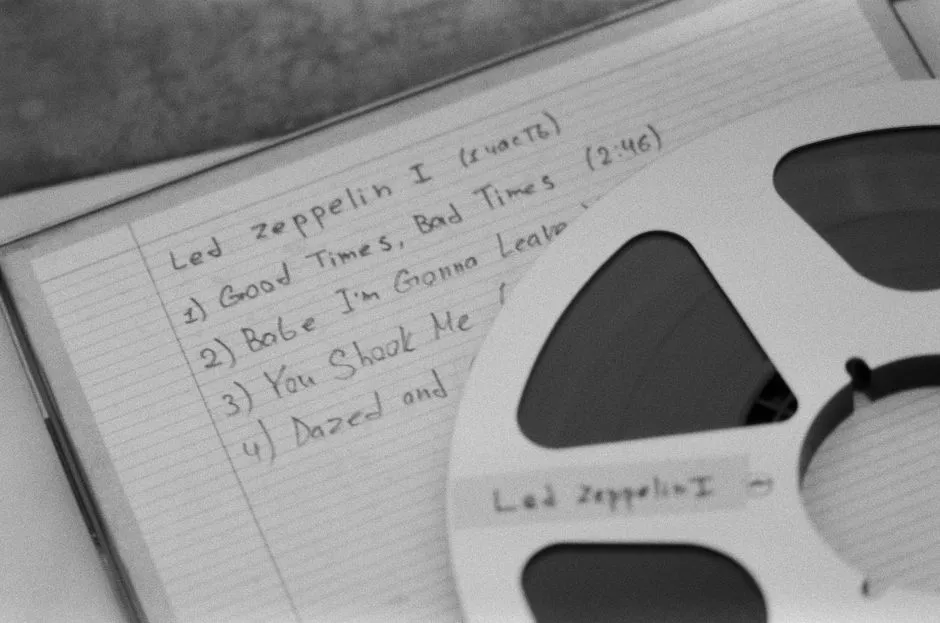
Read credits as a map, not decoration
Read album liner notes by separating creative roles, technical roles, publishing data, edition details, and narrative claims. Start with the exact package in your hands, transcribe unfamiliar names and abbreviations, then verify important information against other reliable sources.
Credits can explain who performed, wrote, arranged, recorded, mixed, mastered, photographed, designed, licensed, and released the music. They can also contain omissions, errors, nicknames, recycled artwork, and marketing prose. Tiny type does not become infallible merely by requiring a lamp.
Identify the edition first
Check the catalogue number, label, country, year wording, barcode, runouts, and package format. Later editions may add remastering credits, bonus-track personnel, essays, or artwork changes while retaining older copyright lines.
Use the pressing-identification guide so you know which package supplied the information. Photograph the sleeve, inserts, booklet, labels, and any sticker before trying to flatten folds or remove tape.
Sort credits by job
Create a simple table:
| Credit group | What to capture |
|---|---|
| Performers | Name, instrument or vocal role, track exceptions |
| Writing | Songwriter, arranger, adaptation, source work |
| Production | Producer, recording, mixing, mastering |
| Visual | Photography, illustration, design, typography |
| Release | Label, catalogue, licensing, distribution |
Track-specific exceptions are easy to miss. A general personnel list may not mean every musician appears on every track. Symbols, asterisks, and “except where noted” clauses are the small trapdoors of album packaging.
Distinguish recording from release
Recording dates, mixing dates, copyright years, and release dates answer different questions. A reissue booklet written decades later may describe the original sessions while also crediting new mastering and design work.
Use reissue and remix terminology to keep stages separate. Do not assign a recording date from a sleeve copyright line unless the package explicitly says that is what the date means.
Evaluate the essay as a source
A liner essay can provide firsthand recollection, criticism, promotion, or historical synthesis. Note the author, date, relationship to the project, sources, and whether claims are attributed. An artist recalling a feeling is evidence of that recollection; it is not automatically a complete timeline.
Check significant dates, “first” claims, quotations, and origin stories against contemporary coverage, session records, catalogues, and multiple independent histories. Our genre-history research method helps keep a lively anecdote from taking over the whole family tree.
Preserve the original line breaks when transcribing complicated credits, especially where track numbers or symbols govern exceptions. A clean spreadsheet that loses the asterisk can confidently assign the wrong musician to half an album.
Let the notes change the next listen
Choose one credit and listen for it: an arranger's string entry, a guest instrument, a mix engineer's spatial choices, or a mastering difference between editions. Mark the track and timestamp in your notes.
If the package is incomplete, look for scans or library copies, respecting copyright and access rules. Cite the specific edition you consulted. “The liner notes say” is incomplete when five reissues contain five different sets of notes.
Credits reward patient reading because they move music history away from one heroic name and toward the roomful of people who actually made the object. The font may be six points tall; the story is not.